Mustard Oil Price in Bangladesh
Why Does Mustard Oil Price in Bangladesh Fluctuate So Much?
If you are searching for mustard oil price in Bangladesh, you have probably noticed that the same bottle size can cost anywhere from just over one hundred taka to well over five hundred taka depending on where you shop, what the label claims, and whether the oil is loose, bottled, branded, or imported. This wide gap is not arbitrary. Mustard oil occupies a unique position in the Bangladeshi economy: it is simultaneously an everyday cooking essential, a traditional hair and body care ingredient, a religious and ceremonial offering, and a medicinal home remedy. Each of these uses demands a different quality standard, and the market has responded by creating multiple overlapping tiers that rarely explain themselves clearly to buyers. At the bottom are loose, open-market oils of uncertain extraction method and questionable purity. In the middle are locally milled, cold-pressed or expeller-pressed oils from specific growing regions. At the top are certified organic, single-origin, or low-pungency refined grades targeting export standards or premium urban consumers. At Shudhik, we break down mustard oil price in Bangladesh by these real quality and sourcing factors so customers understand exactly what their money buys and how to avoid dangerous adulteration traps that are unfortunately common in the open market.
What Are the Main Price Tiers for Mustard Oil?
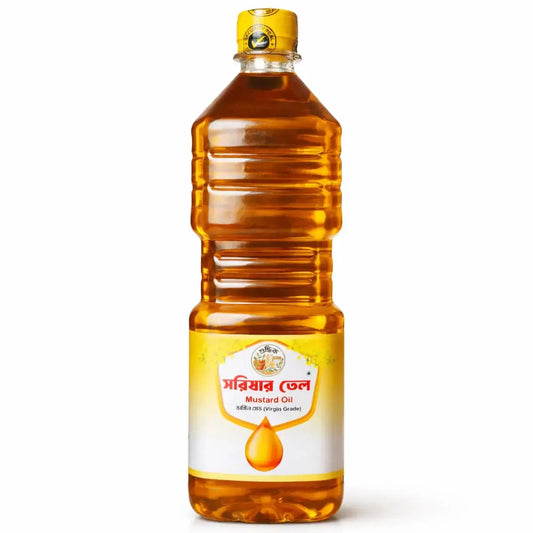
Bangladeshi consumers encounter mustard oil across four distinct pricing bands, and knowing which tier matches your intended use prevents both waste and health risk. The loose-market tier — roughly one hundred twenty to one hundred eighty taka per liter — is sold in open bazaars, often in reused bottles or unmarked containers. These oils may be genuine mustard oil mixed with cheaper palm oil or argemone oil to increase volume, or they may be extracted using high-heat solvent methods that destroy the natural allyl isothiocyanate compounds which give mustard oil its characteristic pungency and digestive benefits. The budget bottled tier — one hundred eighty to two hundred sixty taka — includes local mill brands and basic supermarket labels. These are generally safe for routine cooking but may use second-press seeds or blend multiple harvest batches to keep costs low. The mid-tier local premium — two hundred sixty to three hundred eighty taka — covers cold-pressed or kachi ghani oils from specific Bangladeshi mustard-growing belts like Rajshahi, Dinajpur, and Chapainawabganj, where soil and climate produce seeds with higher oil content and stronger flavor profiles. The organic or export-grade tier — four hundred taka and above — includes certified pesticide-free seeds, single-origin traceability, and glass or food-grade PET packaging that preserves freshness. Shudhik operates in the mid-to-premium tier because we source directly from artisanal presses in Rajshahi and Dinajpur regions, ensuring that every liter of mustard oil we sell is genuine, unadulterated, and extracted through mechanical cold-pressing that preserves both flavor and natural compounds.
How Does Regional Origin Affect Price and Quality?
The geography of mustard cultivation in Bangladesh directly influences mustard oil price in Bangladesh. The northwestern districts — Rajshahi, Naogaon, Dinajpur, and Chapainawabganj — have long been the country's mustard bowl, with fertile alluvial soil and cool winter temperatures that allow mustard seeds to develop their full oil content and pungency before the summer heat arrives. Oil from these regions commands a slight premium because the raw seeds themselves are denser and more aromatic than those grown in warmer, southern districts where the plants mature faster and produce lighter, less flavorful oil. Additionally, transportation costs from the northwest to Dhaka, Chattogram, and Khulna add a small but real markup. Some premium sellers source from the highland foothills of Panchagarh and Thakurgaon, where smaller-scale farming and lower pesticide use produce a cleaner seed that is increasingly popular among health-conscious urban buyers. Shudhik partners with family-run presses across Rajshahi and Dinajpur, as well as selected artisanal producers in the Khulna and Satkhira belts where our logistics network is strongest. This regional diversity lets us offer Bangladeshi customers genuine local mustard oil at fair prices without the inflated costs of imported Indian or Canadian canola-mustard blends that some supermarkets sell as premium.
Why Is Purity Testing More Important for Mustard Oil Than Other Cooking Oils?
This is a safety question every Bangladeshi household should take seriously. Mustard oil is the most commonly adulterated cooking oil in the South Asian market because its strong natural flavor and color can mask the addition of cheaper, sometimes dangerous substitutes. The most common adulterant is argemone oil, extracted from the argemone mexicana weed that grows wild across rural Bangladesh. Argemone oil is toxic to the liver and has been linked to epidemic dropsy outbreaks when consumed over time. Another common cheat is palm olein, which dilutes mustard oil's pungency while adding volume at a fraction of the cost. Some unscrupulous sellers even add synthetic yellow dye and artificial mustard flavoring to plain soybean oil, selling it as pure mustard oil to buyers who rely on appearance and smell rather than verified sourcing. The result is that the lowest mustard oil price in Bangladesh is often the most expensive in health terms. Shudhik tests every batch of mustard oil we source for adulteration markers including argemone alkaloids, foreign oil blending, and moisture content. We publish these quality parameters openly because our customers — especially families with children and elderly members — deserve to know that their cooking oil is genuinely what the label claims.
How Should You Calculate Cost Per Meal and Monthly Budget?
For budget-planning Bangladeshi households, the headline price per liter is less important than the cost per meal and cost per month. A standard Bangladeshi family of four uses approximately one to one and a half liters of cooking oil per week if mustard oil is their primary medium, which translates to roughly four to six liters per month. At a mid-tier genuine cold-pressed price of three hundred taka per liter, the monthly cooking oil budget is approximately one thousand two hundred to one thousand eight hundred taka — a significant but manageable portion of a typical household food budget. The temptation to switch to a two-hundred-taka blended oil to save five hundred taka monthly is understandable, but when the hidden health costs of adulterated oil are considered — potential digestive issues, liver stress, and long-term chronic inflammation — the savings evaporate. A practical budget strategy is to buy a five-liter container of genuine mustard oil at a slight bulk discount, which typically lasts six to eight weeks for a four-person family and reduces the per-liter cost by ten to fifteen percent compared to single-liter purchases. Shudhik offers five-liter family packs of verified Rajshahi cold-pressed mustard oil with transparent per-liter pricing so Bangladeshi households can plan accurately.
How Does Extraction Method Change Price and Nutrition?
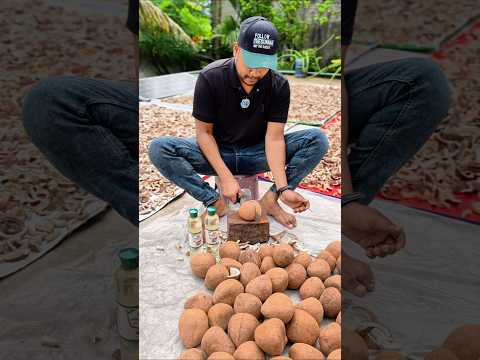
Not all mustard oil is produced the same way, and the extraction method is a major driver of mustard oil price in Bangladesh. Solvent extraction uses chemical hexane to dissolve oil from crushed seeds at high temperature, yielding maximum volume but destroying heat-sensitive vitamins, antioxidants, and the volatile pungent compounds that make mustard oil distinctive. Expeller pressing uses mechanical pressure and moderate heat, producing a better-flavored oil with more retained nutrients but slightly lower yield. Cold pressing — the traditional kachi ghani method — uses slow, low-temperature mechanical crushing without external heat, preserving the maximum amount of natural allyl isothiocyanate, omega-3 fatty acids, and vitamin E. Cold-pressed oil costs more because it yields less per kilogram of seed and requires more labor, but the nutritional and flavor difference is substantial. For Bangladeshi consumers who use mustard oil not just for frying but also for pickling, as a finishing drizzle on dal and bhorta, and for traditional hair massage, cold-pressed oil delivers the authentic pungency and therapeutic warmth that solvent-extracted oil simply cannot replicate. Shudhik specifies the extraction method on every mustard oil label so customers know whether they are buying solvent, expeller, or cold-pressed product.
How Does Seasonal Harvest Timing Affect Availability and Cost?
Mustard is a winter crop in Bangladesh, sown in October and November and harvested in December through February. The peak harvest season is when the market is flooded with fresh seeds, pressing mills operate at full capacity, and mustard oil price in Bangladesh drops to its annual low — typically five to fifteen percent below off-season pricing. By March and April, as fresh seed stocks deplete and storage costs rise, prices climb back to baseline. During the monsoon months of June through September, when humidity threatens stored seed quality and transportation becomes challenging, prices can spike an additional ten to twenty percent as smaller mills pause production and larger brands release stored inventory. Smart Bangladeshi buyers purchase two to three months of supply during the January-February harvest window, storing the oil in a cool, dark pantry away from direct sunlight and heat. Properly stored mustard oil in a sealed container remains stable for four to six months in Bangladesh's climate. Shudhik adjusts our mustard oil price in Bangladesh seasonally to reflect these harvest and storage realities, offering our lowest per-liter rates during the post-harvest period.
How Can You Spot Adulterated Mustard Oil at Home?
Bangladeshi consumers without laboratory access can still perform simple checks to screen for common adulteration before purchase. The first test is the smell test: genuine cold-pressed mustard oil has a sharp, penetrating, almost nasal-clearing pungency when the bottle is first opened. Blended or solvent-extracted oil smells faintly nutty or almost bland by comparison. The second test is the smoke test: heat a small pan with a teaspoon of oil over medium flame. Pure mustard oil reaches its smoke point at approximately two hundred fifty degrees Celsius and produces a characteristic mildly irritating vapor. If the oil smokes heavily at a much lower temperature or produces a rancid smell, it is likely diluted with lower-smoke-point oils. The third test is the refrigerator test: place a small sample in the refrigerator for two hours. Pure mustard oil will show some clouding or thickening but will not separate into layers. If you see distinct separation or crystallization patterns, blending with palm oil or other fats is likely. The fourth and most reliable test is the nitric acid test, though this requires caution: a few drops of concentrated nitric acid added to pure mustard oil produce a characteristic reddish-brown color change; if the color remains pale or yellowish, adulteration is probable. Shudhik guarantees that every bottle of mustard oil we sell passes professional laboratory screening, but we also teach these home-verification methods because informed customers make safer choices.
Is Expensive Mustard Oil Always Better?
Not necessarily, though the relationship between price and quality is more reliable for mustard oil than for many other commodities. The jump from loose-market blended oil to genuine expeller-pressed local oil brings a massive improvement in safety, flavor, and nutrition — this is the most important upgrade any Bangladeshi household can make. The jump from expeller-pressed to cold-pressed brings a noticeable flavor and nutritional gain, but the per-taka improvement is smaller. The jump from cold-pressed to certified organic brings ethical and environmental benefits and marginally lower pesticide residue, but for routine cooking the sensory difference is subtle. For most Bangladeshi families, a verified cold-pressed or high-quality expeller-pressed mustard oil from a known region like Rajshahi or Dinajpur represents the optimal price-quality balance. Premium organic or single-origin oils make sense for households with specific health priorities, for ceremonial or gifting purposes, or for consumers who use mustard oil raw as a dressing or hair treatment where the unheated flavor profile matters most. Shudhik stocks multiple tiers so Bangladeshi customers can match their budget to their actual needs rather than paying for certifications they do not require.
Where Can You Buy Authentic Mustard Oil at Fair Prices in Bangladesh?
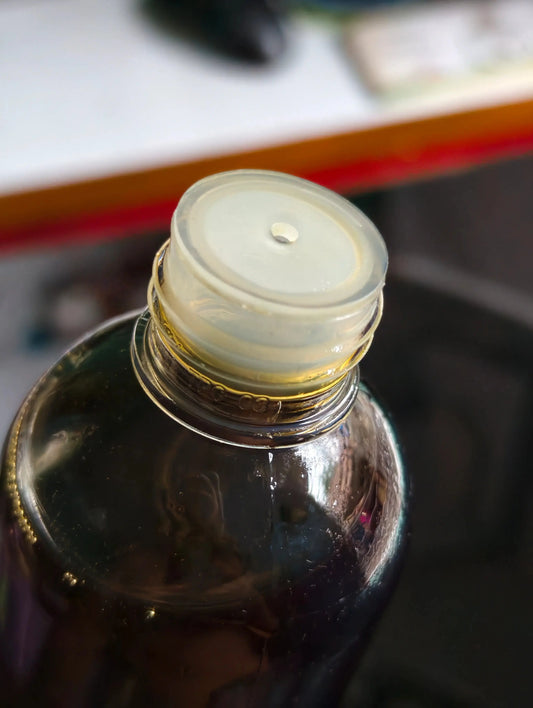
The Bangladeshi mustard oil market spans village mills, urban bazaars, supermarket chains, general e-commerce platforms, and specialized food retailers. Village mills offer the lowest prices but rarely provide packaging, batch dates, or adulteration screening. Urban bazaars provide loose oil in bulk but carry the highest risk of blending and contamination. Supermarkets offer branded bottles with basic labeling but often source from large distributors where origin traceability is weak. General e-commerce platforms host sellers with wildly varying stock quality on the same product page. Specialized retailers like Shudhik focus on verified sourcing, proper storage, and customer protection. We source mustard oil directly from family-run cold-press mills in Rajshahi, Dinajpur, and selected Khulna-Satkhira belt producers, with full batch traceability from farm to bottle. We store oil in temperature-controlled warehousing to prevent rancidity accelerated by Bangladesh's heat and humidity. We test every batch for adulteration markers before bottling. We deliver nationwide in protective packaging with sealed caps. Our EasySell cash-on-delivery option lets Bangladeshi customers inspect the bottle, verify the batch code, check the color and aroma, and confirm authenticity before payment. Whether you need a single liter for a small household or a five-liter family pack for a busy kitchen, our mustard oil price in Bangladesh reflects honest sourcing, genuine cold-pressed extraction, and the safety verification that every Bangladeshi family deserves.